-
Trees are one of the most important components of a healthy ecosystem. They provide oxygen, absorb harmful gases, improve soil conditions, and create natural habitats for wildlife. In residential and commercial landscapes, trees also provide shade, privacy, and visual appeal. However, maintaining beautiful and healthy trees requires continuous attention and proper care. Understanding the different aspects of tree maintenance can help property owners prevent common problems and preserve their outdoor spaces for years.
1. Importance of Early Tree Care
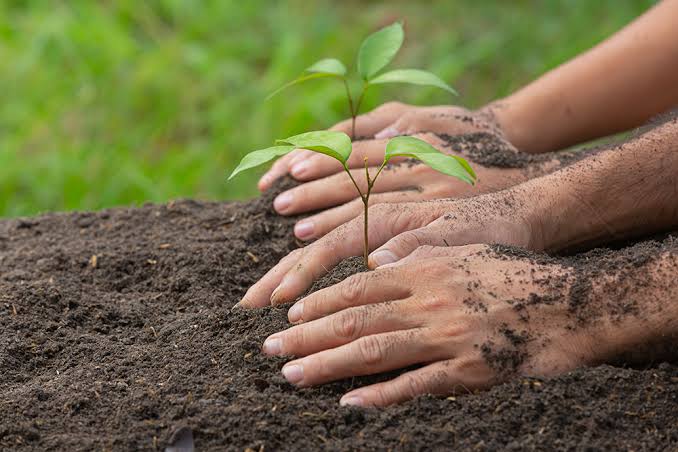
Taking care of trees from an early age helps establish strong roots and healthy growth patterns. Newly planted trees require suitable soil, sufficient moisture, and protection from physical damage. Regular monitoring during the establishment period helps identify problems such as wilting leaves, poor growth, and root disturbances. Providing the right conditions during the early stages can reduce maintenance challenges as trees mature.
2. Maintaining Proper Tree Spacing
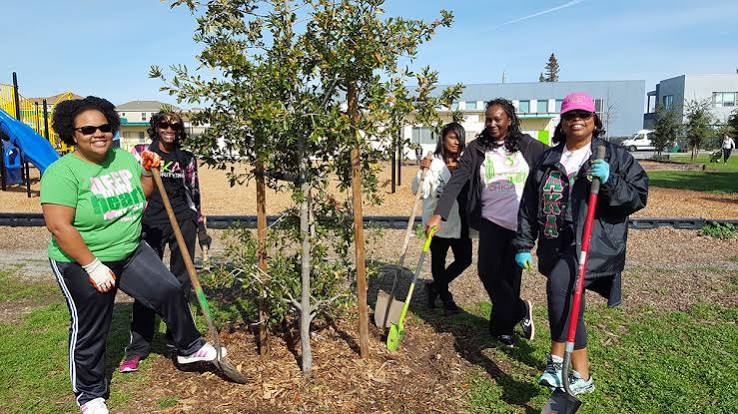
Proper spacing is essential when planting multiple trees in one area. Trees planted too closely together may compete for sunlight, water, and nutrients. Overcrowding can also restrict airflow and increase maintenance requirements. Before planting, consider the mature height and canopy width of each species. Appropriate spacing allows branches and roots to develop naturally while creating a balanced landscape.
3. Preventing Root Damage
Tree roots are often overlooked because much of their structure remains underground. However, they are essential for absorbing nutrients, transporting water, and supporting the tree. Avoid digging or storing heavy materials near established trees. Construction activities should be planned carefully to minimize disturbance to the root zone. Maintaining healthy soil conditions also encourages stronger root development.
4. Choosing the Right Pruning Schedule
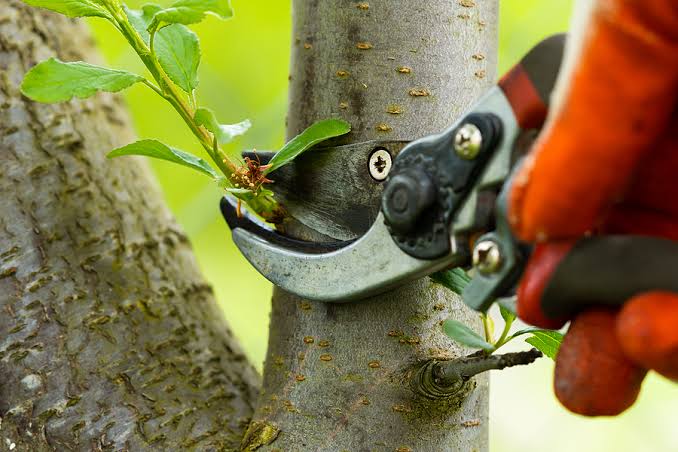
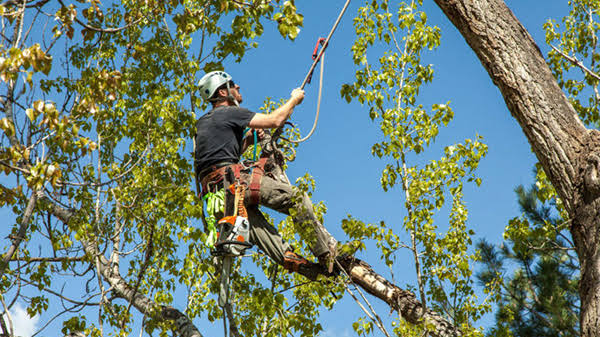
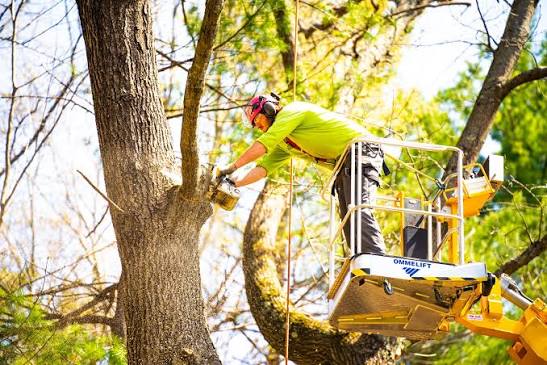
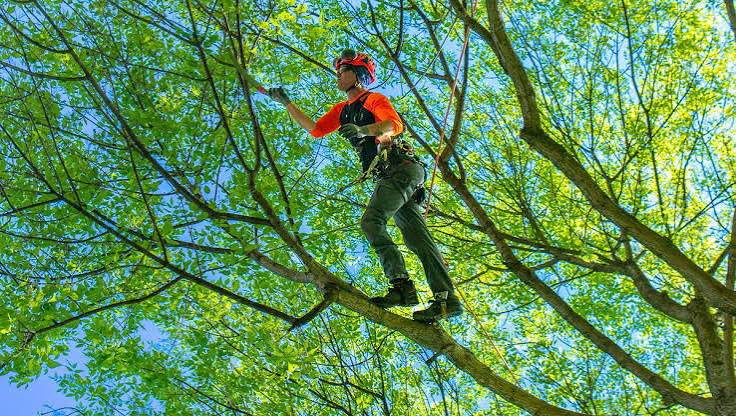
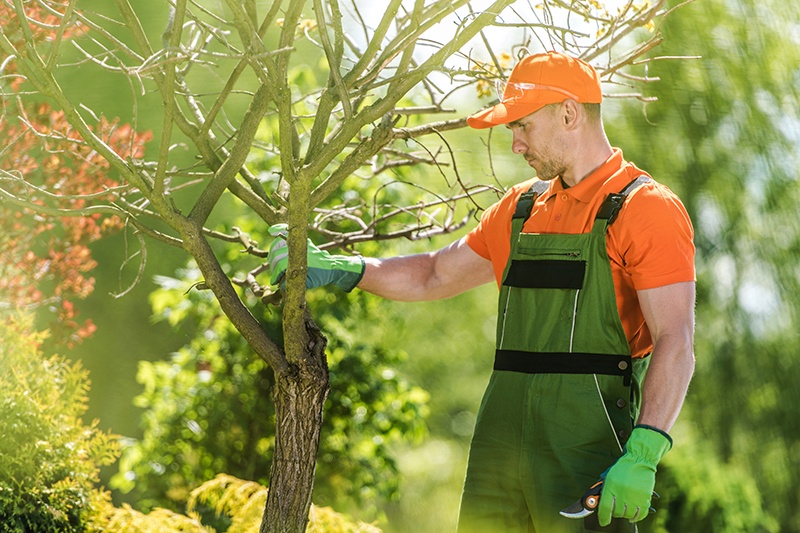
Pruning requirements vary according to tree species, age, health, and environmental conditions. Some trees benefit from pruning during dormancy, while others require different timing depending on their flowering and growth patterns. Removing dead or damaged branches can improve safety and tree structure. Avoid unnecessary pruning during periods of environmental stress. For mature trees, professional advice helps ensure that pruning is performed correctly.
5. Managing Soil pH and Nutrient Balance
Soil conditions have a major influence on tree health. Different species grow best within different soil pH ranges. Soil that is too acidic or alkaline may limit nutrient availability even when nutrients are present. Testing the soil can help identify imbalances and determine whether